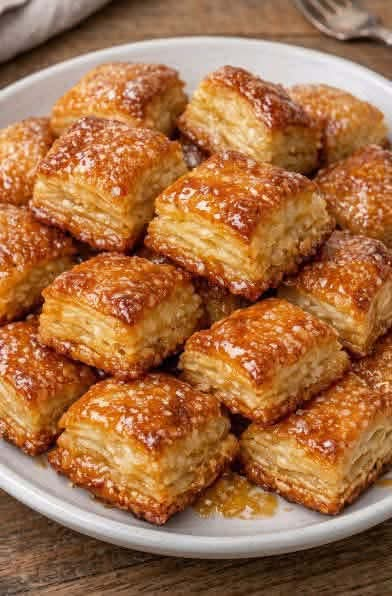
Southern Butter Biscuit Bites — Buttery, Golden, and Impossible to Resist
Southern butter biscuit bites are small, golden, and dangerously easy to eat. They come together in one bowl with pantry-friendly ingredients, bake in under fifteen minutes, and deliver the kind of buttery, flaky texture that makes people reach for a second and third without thinking. If you have been looking for a simple baking project that fits naturally into busy family meal plans, this is it.
These biscuit bites are the definition of practical comfort food. They work for breakfast, they work for dinner, and they work as a basket on the table when company shows up. Because the ingredient list is short and the method is straightforward, this is a great recipe for anyone building confidence in culinary creations or looking for reliable traditional recipes to add to their rotation of family-friendly meal plans.
Why These Biscuit Bites Deserve a Place in Your Rotation
Good food preparation is about more than following steps. It is about finding recipes that earn their spot in your weekly routine. These biscuit bites do that for a few clear reasons.
They are pantry-friendly. Flour, baking powder, salt, sugar, butter, and buttermilk. You likely have most of these on hand right now, which makes budget-friendly meal planning much easier.
They are fast. From mixing bowl to cooling rack, the whole process takes about twenty-five minutes. That makes them realistic for a weekday morning or a last-minute dinner side.
They are versatile. Sweet or savory, small or slightly larger, brushed with garlic butter or honey butter — the recipe bends to whatever you need it to be.
They freeze beautifully. This is a big one for healthy meal preparation. Make a double batch, freeze the unbaked rounds, and bake them straight from the freezer whenever you need fresh biscuits.
They suit everyone. Kids love them because they are bite-sized. Adults love them because they taste like a proper Southern biscuit. That combination makes them a dependable choice for family meal plans of any size.
Ingredients You Will Need
For the Biscuits
- 2 cups all-purpose flour
- 1 tablespoon baking powder
- 1 teaspoon salt
- 1 tablespoon granulated sugar
- ½ cup cold unsalted butter, cubed
- ¾ cup cold buttermilk
- 2 tablespoons melted butter, for brushing
These are pantry-friendly ingredients that come together quickly. No specialty flours, no unusual equipment, no complicated techniques.
Why Cold Butter Matters
Don’t skip this little detail.
Cold butter creates pockets of fat throughout the biscuit dough. When the biscuits hit the hot oven, the butter melts and helps create those lovely flaky layers. That steam is what lifts the dough and separates it into delicate sheets instead of a dense, solid crumb.
If your kitchen is warm, you can even pop the cubed butter into the refrigerator or freezer for a few minutes before mixing. The same applies to your buttermilk. Cold ingredients, hot oven, flaky biscuits. That is the whole equation.
This single detail is often the difference between a biscuit that impresses and one that disappoints, which is why it is worth paying attention to even when you are rushing through food preparation on a busy morning.
Kitchen Tools You Will Need
- Large mixing bowl
- Pastry cutter or fork
- Measuring cups and spoons
- Rolling pin, optional
- Small biscuit cutter or sharp knife
- Baking sheet
- Parchment paper
- Pastry brush
No fancy equipment required. If you have a bowl and something sharp, you can make these.
Ingredient Additions and Substitutions
The basic version is wonderful, but these little biscuits are very easy to customize. This flexibility is part of what makes them such a useful recipe for family-friendly meal plans — you can adapt them to whatever the meal needs.
Add Garlic Butter
Mix garlic powder or minced garlic into the melted butter used for brushing. This turns the biscuit bites into a savory side that pairs beautifully with pasta, soup, or roasted chicken.
Add Cheese
Fold shredded cheddar, Parmesan, or pepper jack into the dough. Add it right after you cut in the butter and before you pour in the buttermilk. Cheese adds richness and a crisp, golden edge.
Add Fresh Herbs
Chopped parsley, chives, rosemary, or thyme can add a lovely savory touch. Use about one tablespoon of finely chopped herbs and fold them in gently with the dry ingredients.
Make Them Sweet
For a sweeter biscuit bite, slightly increase the sugar and brush the finished biscuits with honey butter. A little cinnamon in the dough also works well for a breakfast version.
Use Salted Butter
You can absolutely use salted butter. Simply reduce the added salt slightly to keep the flavor balanced.
No Buttermilk?
Use regular milk mixed with a little lemon juice or vinegar and let it sit for several minutes before using. The acid is what reacts with the baking powder and helps the biscuits rise, so do not skip the resting time.
How to Make Southern Butter Biscuit Bites
Step 1: Preheat the Oven
Preheat your oven to 425°F (220°C). Line a baking sheet with parchment paper. A hot oven is important because you want the biscuits to puff quickly and develop those golden edges.
Step 2: Mix the Dry Ingredients
In a large bowl, whisk together the flour, baking powder, salt, and sugar. Give everything a good stir so the leavening and seasoning are evenly distributed. This step matters more than people realize — unevenly mixed baking powder means unevenly risen biscuits.
Step 3: Cut in the Butter
Add the cold cubed butter. Use a pastry cutter, fork, or your fingertips to work the butter into the flour. Stop when you have a mixture with small pieces of butter still visible. Don’t overwork it. Those little pieces of butter are your friends.
Step 4: Add the Buttermilk
Pour in the cold buttermilk. Gently stir until the dough just comes together. It may look a little shaggy. That’s okay. Don’t keep mixing just because it doesn’t look perfectly smooth. Overworked biscuit dough can produce tough biscuits.
Step 5: Form the Dough
Turn the dough onto a lightly floured surface. Gently pat or roll it to about ½-inch thickness. For especially fluffy biscuits, fold the dough over itself a couple of times and gently press it back down. Those folds create additional layers.
Step 6: Cut Into Small Bites
Use a small biscuit cutter to cut the dough into bite-sized rounds. You can also use a knife or bench scraper to cut the dough into small squares. Place the pieces close together on the prepared baking sheet. Press straight down when cutting rather than twisting, since twisting can seal the edges and limit the rise.
Step 7: Brush With Butter
Brush the tops lightly with melted butter. Save a little butter for another brush after baking if you’d like an extra-buttery finish.
Step 8: Bake
Bake for approximately 10 to 14 minutes, or until the biscuit bites are puffed and beautifully golden. The exact time will depend on how small you make them. Keep an eye on them toward the end.
Step 9: Butter Them Again
As soon as they come out of the oven, brush the warm biscuit bites with another little layer of melted butter. This is the moment. That smell when the melted butter hits those hot biscuits? Incredible.
What to Serve With Southern Butter Biscuit Bites
These little biscuits can go in so many directions, which is exactly what makes them such a practical addition to weekly family meal plans.
For Breakfast
- Scrambled eggs
- Bacon
- Sausage
- Country ham
- Sausage gravy
- Fried eggs
- Jam or preserves
For Dinner
- Fried chicken
- Chicken and dumplings
- Beef stew
- Pot roast
- Chili
- Creamy soups
- Southern green beans
For Brunch
- Honey butter
- Strawberry jam
- Peach preserves
- Apple butter
- Whipped cream cheese
Because they are small, they also make an excellent addition to a holiday table, a game day spread, or a simple soup-and-bread dinner on a cold evening.
Tips for the Best Biscuit Bites
Keep everything cold. Cold butter, cold buttermilk, and a cool work surface all help produce a better texture.
Handle the dough as little as possible. Every extra turn and press develops gluten, and gluten makes biscuits tough rather than tender.
Cut straight down. Whether you use a cutter or a knife, press firmly and lift straight up. Twisting seals the edges.
Do not crowd the pan. A little space between biscuits allows hot air to circulate and helps them brown evenly. If you want softer sides, place them closer together; if you want crispier edges, give them more room.
Watch the last few minutes. Small biscuits go from golden to overbaked quickly, so stay nearby once the timer gets close.
Brush butter twice. Once before baking and once immediately after. It is a small step with a big payoff in flavor and appearance.
Storage and Make-Ahead Tips
Store cooled biscuit bites in an airtight container at room temperature for up to two days. Reheat them in a 350°F oven for about five minutes to bring back some of their original texture. The microwave works in a pinch, but the oven does a much better job.
For longer storage, wrap the cooled biscuits and freeze them for up to two months. Reheat from frozen in a 350°F oven for eight to ten minutes.
For efficient meal preparation, freeze unbaked cut biscuit rounds on a baking sheet until firm, then transfer them to a freezer bag. Bake straight from frozen, adding a few extra minutes to the total time. This is one of the simplest ways to keep fresh bread on hand without baking every single day, and it is a genuine time-saver for busy family meal plans.
You can also mix the dry ingredients ahead of time and store them in a sealed container. When you are ready to bake, all that remains is cutting in the butter and adding the buttermilk.
Frequently Asked Questions
Can I make these biscuit bites larger?
Yes. The recipe works at any size. Just adjust the baking time. Larger biscuits will need a few extra minutes, while very small ones may be done closer to the ten-minute mark.
Why did my biscuits turn out tough?
Tough biscuits usually come from overmixing or from butter that was too warm. Work the dough gently and keep your ingredients cold.
Can I use whole wheat flour?
Yes, but start by replacing half the all-purpose flour with white whole wheat flour. Replacing all of it at once can produce a heavier biscuit.
Do I have to use buttermilk?
No. Milk with lemon juice or vinegar works well as a substitute. The acid is what matters.
Can I make these ahead of time?
Yes. Freeze unbaked rounds and bake from frozen, or bake and freeze the finished biscuits. Both methods work well.
Are these good for a crowd?
Very. Because they are bite-sized, they work well on a party tray or buffet table. Double the batch and bake on two sheets for even results.
Final Thoughts
Southern butter biscuit bites prove that the best recipes are not always the most complicated ones. A short list of pantry staples, a hot oven, and a little attention to technique are all it takes to produce something genuinely memorable.
These little biscuits are buttery, golden, and impossible to resist. They fit into breakfast, dinner, and brunch with equal ease. They adapt to sweet or savory additions. They freeze well, they reheat well, and they disappear quickly. For anyone building practical family meal plans, they are a dependable staple worth learning by heart.
Make a batch this weekend. Brush them with butter twice, serve them warm, and watch how fast the basket empties. Then add them to your regular rotation of traditional recipes — because this is one of those simple, satisfying bakes that earns a permanent place in the kitchen.